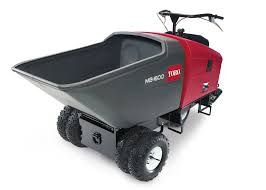


A concrete buggy is the fastest way to move wet concrete, gravel, and bulk material across a job site without wearing out your crew. With a hydraulic dump system and high load capacity, it handles the kind of production work that slows down when you’re relying on wheelbarrows and manual hauling.
This machine is a strong fit for contractors running larger pours — slabs, driveways, footings, and foundations — as well as residential jobs with limited access where you need to move material efficiently without a full-size machine.
Common Uses
- Concrete slabs, driveways, and flatwork
- Footings and foundations
- Backyard and limited-access pours
- Landscaping and hardscape material transport
- Moving gravel, soil, and bulk material across job sites
Specifications
| Capacity | 16 cu ft |
| Max Load | Up to 2,500 lbs |
| Engine | Gas powered |
| Top Speed | Up to 7 mph |
| Machine Weight | Approx. 1,370 lbs |
| Width | 33.75 – 46 inches |
| Dump System | Hydraulic |
Build Your Concrete Setup
A concrete buggy works best when your whole setup is dialed in. Pair it with a mixer to keep material flowing, a vibrator to consolidate your pour, and a bull float to finish the surface. Call us and we’ll help you put together everything you need for the job.
Towable Concrete Mixer
Electric Concrete Mixer
Bull Float
Why Use a Concrete Buggy Instead of a Wheelbarrow?
A wheelbarrow works fine for small jobs, but once you’re moving significant volume across a site, the time and labor costs add up fast. A concrete buggy carries far more per trip, dumps hydraulically, and keeps your crew focused on the pour rather than the haul. For any job with more than a few yards of concrete or a long carry distance, it pays for itself quickly.
Call us to confirm availability and to get advice on the right equipment combination for your job.